The price tag on an espresso machine is only the beginning. After 15 years in the repair business, we can tell you that the machines people regret buying are rarely the ones that seemed expensive upfront — they are the ones that seemed like bargains and then spent their lives in our shop.
Here is the full picture of what it actually costs to own an espresso machine.
The Purchase Price: Just the Entry Fee
Most people focus entirely on purchase price, which is understandable. But purchase price alone is a poor predictor of total cost of ownership. A $700 machine that needs a $150 repair every 2 years costs you $1,450 over 10 years. A $2,000 machine that needs a $100 repair every 5 years costs you $2,400 over the same period — but produces better espresso and typically retains more value for resale or trade-in.
Routine Consumables: The Ongoing Cost Everyone Forgets
These are not optional. They are part of machine ownership:
- Group head gaskets — $5–20 each, replacement every 1–2 years depending on use. A leaking portafilter is your signal.
- Shower screen — $10–30, replacement every 2–3 years. A clogged or warped screen causes channeling and uneven extraction.
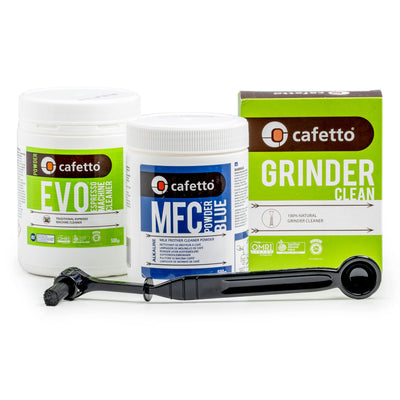
- Descaling product — $12–20 per year (Urnex Dezcal, Puly, etc.). Non-negotiable maintenance. Skip this and you will be paying $150–350 for a boiler descale or element replacement.
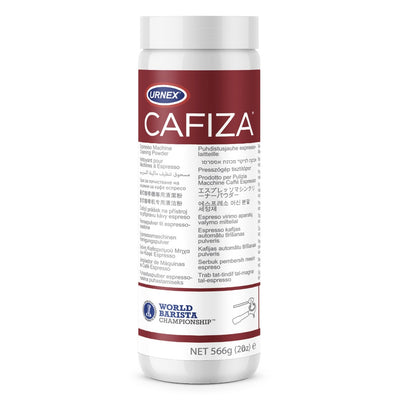
- Backflush detergent — $15–25 per year (Cafiza, Puly Caff). Keeps the brew path clean. Monthly use for home machines.
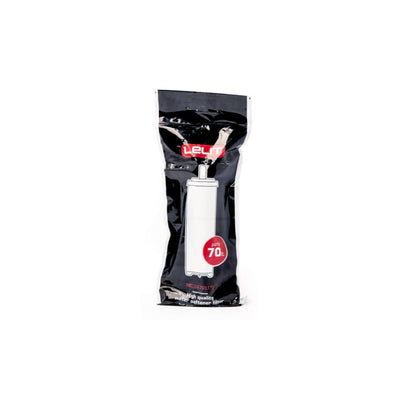
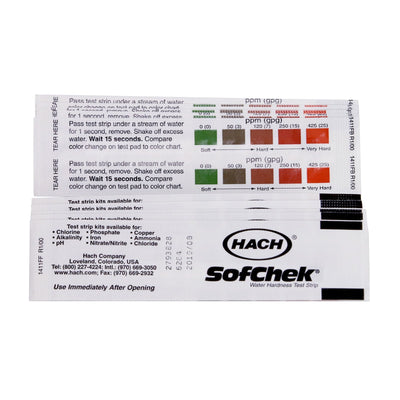
- Water filter — $20–40 per year. Soft or filtered water dramatically extends machine life by reducing scale. The best preventive investment you can make.
Annual consumable budget for a home machine: approximately $60–100 per year. This is the cost of prevention — dramatically cheaper than the cost of neglect.
Repair Frequency by Brand: What We See
Based on what comes through our shop, here is a realistic repair frequency picture for common brands with typical home use (1–3 shots per day):
Breville (Barista Express, Barista Pro, Barista Touch)
- Most common repairs: 3-way solenoid valve, thermocoil, grinder burr/motor
- Typical first repair: 2–4 years
- Average repair cost: $300–$700
- Expected service life with proper care: 5–8 years
- Repair-to-value ratio: moderate to high as machine ages
Rancilio Silvia
- Most common repairs: group head gasket, portafilter seal, pressurestat, solenoid valve
- Typical first repair: 3–5 years
- Average repair cost: $300–$500
- Expected service life: 8–12 years with maintenance
- One of the most repair-friendly machines we work on — straightforward design, widely available parts
Lelit (Mara, Elizabeth, Bianca)
- Most common repairs: pump replacement, group head gasket, flowmeter service
- Typical first repair: 4–7 years
- Average repair cost: $300–$600
- Expected service life: 10–15+ years
- Parts are consistently available; Italian engineering makes them service-friendly
La Marzocco (GS3, Linea Mini)
- Most common repairs: group head seal kit, flow control service, pump
- Typical first repair: 5–8 years
- Average repair cost: $450–$950
- Expected service life: 15–25+ years with proper maintenance
- High parts and labor cost, but machines that last decades and hold value
DeLonghi / Saeco / Gaggia Super-Automatics
- Most common repairs: brew group, milk system, grinder, electronics
- Typical first repair: 2–4 years
- Average repair cost: $350–$650
- Expected service life: 4–8 years
- Complex systems with more failure points. Parts availability is inconsistent for older models.
The Hidden Cost: Opportunity Cost of Downtime
When your machine is in the shop, you are buying coffee somewhere else. For a household that pulls 2 shots per day, that is $5–10 per day at a cafe. A typical 3–4 week repair turnaround costs you $100–$250 in out-of-pocket coffee. Not catastrophic, but worth factoring in if you are choosing between machines that have very different reliability profiles.
Parts Availability: The Long-Term Risk
This is something most buyers never think about at purchase time, but we think about it constantly. When a machine fails at year 8, can we get the part?
Brands with excellent long-term parts availability: La Marzocco, Rancilio, Lelit, Nuova Simonelli, ECM, Rocket Espresso. These are Italian and European manufacturers who treat their machines as long-term products with multi-year parts support.
Brands with variable or limited long-term parts availability: Breville (good support for current models, drops support on discontinued models), DeLonghi super-automatics (inconsistent), some Asian-market brands.
When a part is discontinued, we can sometimes source third-party equivalents — but not always. A machine that cannot be repaired because parts are unavailable is effectively a throw-away. This is a real risk with consumer-oriented brands on a 2-3 year product refresh cycle.
The Repair-vs-Replace Decision
We follow a simple rule we share with our customers: if the cost of repair exceeds 60–70% of the machine's current replacement value, the repair usually does not make financial sense. A $150 repair on a machine worth $700? Fix it. A $300 repair on a machine worth $400? Time to move on.
We will always tell you honestly if a repair is not worth the cost. We would rather lose a repair job than have a customer feel like they were taken advantage of.
The Bottom Line
Buy the best machine you can reasonably afford. The additional cost of a well-built machine with strong parts support is almost always recovered through lower lifetime repair costs and a longer service life. Cheap machines are not actually cheap — they are just deferred expense.
If you want help choosing the right machine for your budget and usage, come visit us in Berkeley or give us a call. We will give you the same advice we would give our own family.
Questions? (510) 859-4425 | service@kanencoffee.com